

Un groviglio di sentieri
Vita di Aby Warburg
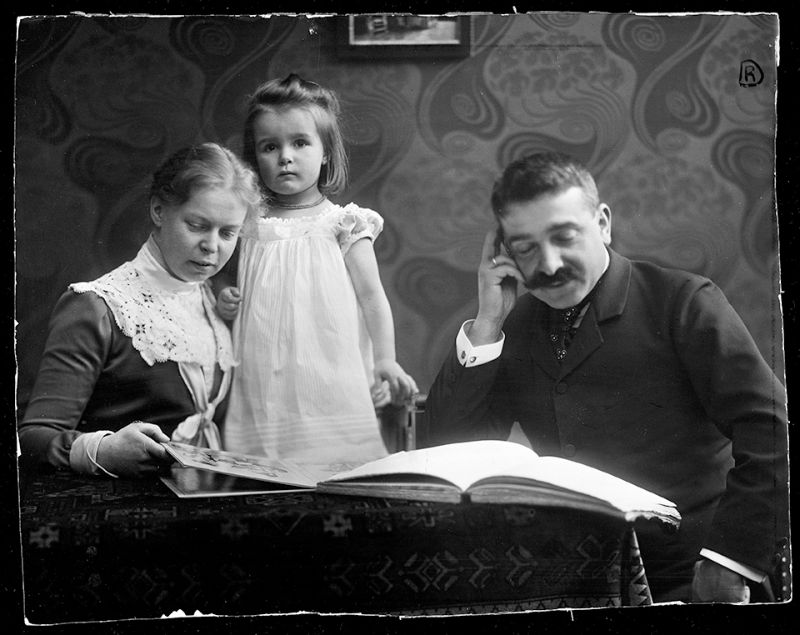
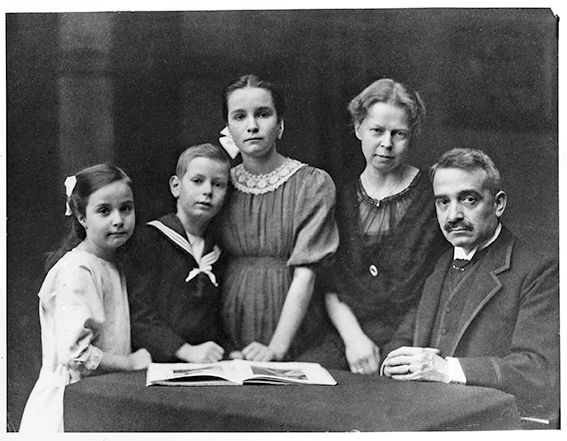
‘Jewish by blood, Hamburg at heart, Florentine in spirit’: this is how Aby Warburg (1866–1929) liked to describe himself, a phrase that aptly captures his obsessive quest for self-discovery—cultivated through self-narration—and the significant shifts in direction that marked his life’s journey. If he is recognised today as one of the most influential art and cultural historians of the 20th century, it is in spite of his fragile mental health and a life as an ‘outlaw’, convinced that true insight belongs only to those prepared to deviate from society’s ordinary expectations.
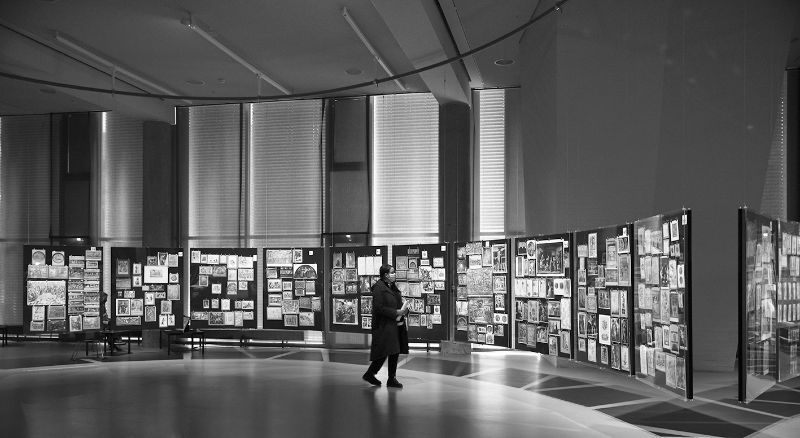
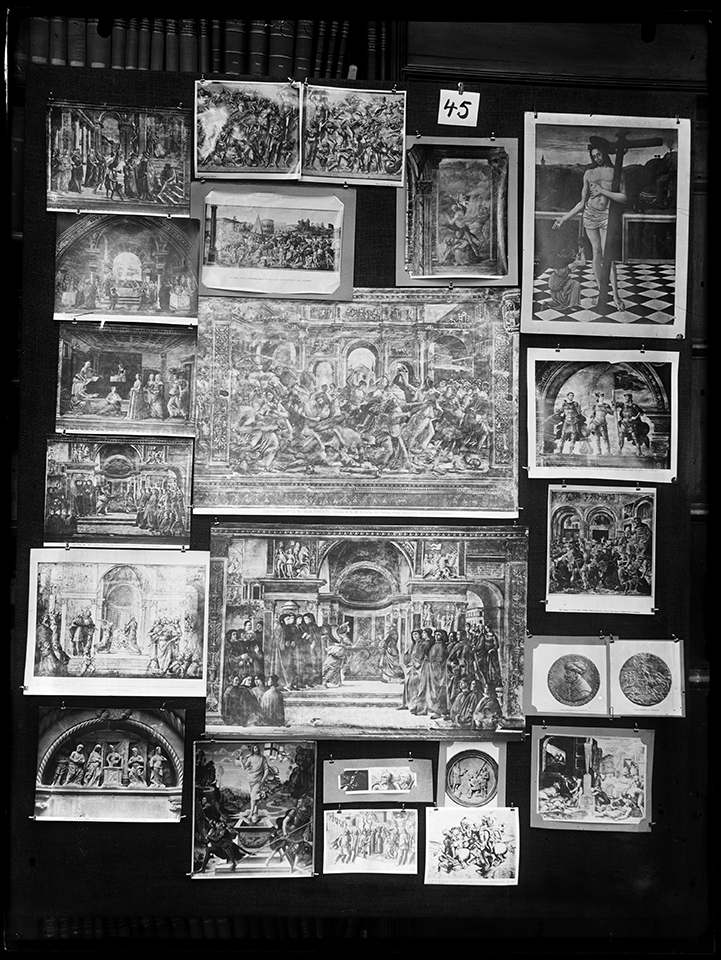
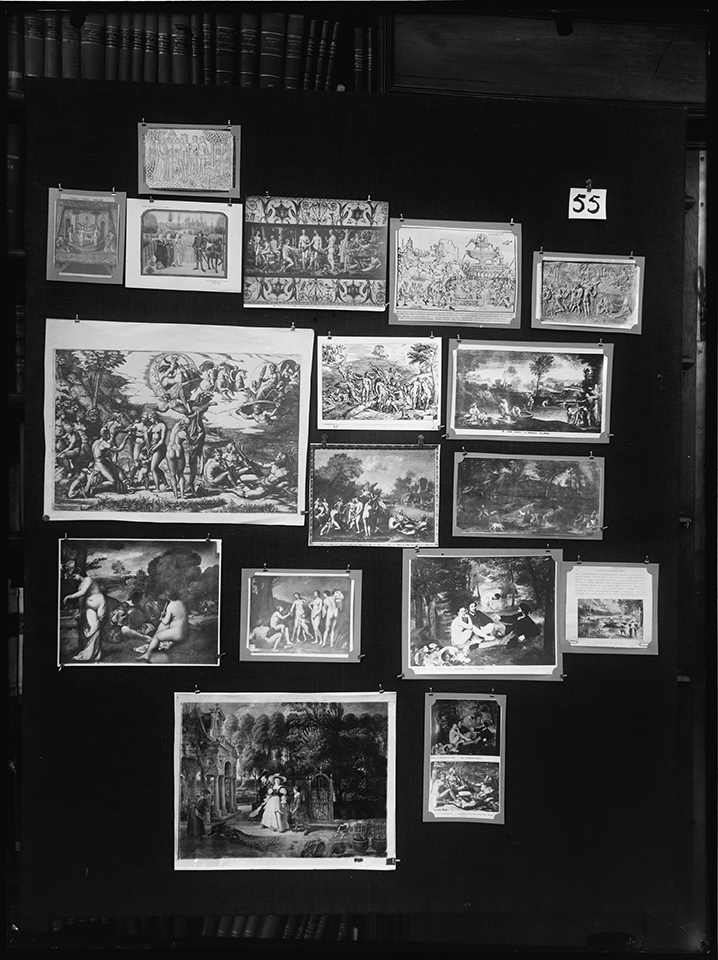
Having renounced his role as the eldest son in Germany’s wealthiest banking family and rejected Jewish orthodoxy, Aby followed his own intuitions and embarked on a journey through the world of symbols that took him from the Wild West to the heart of the Renaissance, in Florence. An independent scholar and free thinker, intolerant of the compartmentalised structure of the university yet in dialogue with the most progressive intellectuals of his time, Warburg pioneered a holistic methodology that integrates historical and artistic inquiry with sciences such as anthropology, medicine and psychology. This interdisciplinary approach guided his research into the survival of antiquity—distilled in his famous unfinished work Atlas Mnemosyne—and the creation of his extraordinary library, now housed at the Warburg Institute in London, a valuable resource for academics worldwide.
Hans C. Hönes paints a detailed and intimate portrait of a man who, despite countless personal and professional difficulties, was ahead of his time, laying the foundations for contemporary art history.
Having renounced his role as the eldest son in Germany’s wealthiest banking family and rejected Jewish orthodoxy, Aby followed his own intuitions and embarked on a journey through the world of symbols that took him from the Wild West to the heart of the Renaissance, in Florence. An independent scholar and free thinker, intolerant of the compartmentalised structure of the university yet in dialogue with the most progressive intellectuals of his time, Warburg pioneered a holistic methodology that integrates historical and artistic inquiry with sciences such as anthropology, medicine and psychology. This interdisciplinary approach guided his research into the survival of antiquity—distilled in his famous unfinished work Atlas Mnemosyne—and the creation of his extraordinary library, now housed at the Warburg Institute in London, a valuable resource for academics worldwide.
Hans C. Hönes paints a detailed and intimate portrait of a man who, despite countless personal and professional difficulties, was ahead of his time, laying the foundations for contemporary art history.
Textual index
1. Una vita, a posteriori
2. Diventare storico dell’arte
3. Viaggi nel mondo dei simboli
4. Le voci del passato
5. Itinerari: il destino di Warburg
6. Amburgo: la nascita di uno studioso indipendente
7. La lotta contro le “guardie di confine”
8. Nel vortice: riassemblare la vita
9. La torre
10. Mnemosyne: l’addio di Warburg
11. Alfa e Omega
2. Diventare storico dell’arte
3. Viaggi nel mondo dei simboli
4. Le voci del passato
5. Itinerari: il destino di Warburg
6. Amburgo: la nascita di uno studioso indipendente
7. La lotta contro le “guardie di confine”
8. Nel vortice: riassemblare la vita
9. La torre
10. Mnemosyne: l’addio di Warburg
11. Alfa e Omega
Un groviglio di sentieri