
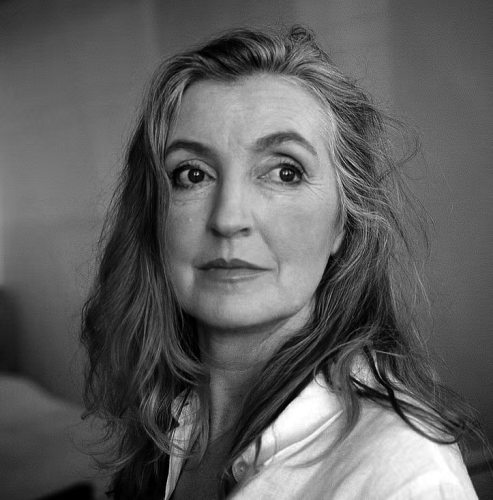
Rebecca Solnit
Scrittrice californiana, giornalista, storica, ambientalista, femminista e critica d’arte, ha pubblicato oltre venti libri sui temi più vari: ambiente, arte, politica, letteratura ed esperienze di viaggio. Tra i suoi titoli più celebri tradotti in italiano: Gli uomini mi spiegano le cose (2017); Storia del camminare (2018); Chiamare le cose con il loro nome (2019); Ricordi della mia inesistenza (2021). I suoi scritti sono apparsi su Harper’s Magazine e The Guardian. Vincitrice di numerosi premi, è una delle intellettuali americane più rispettate.
Author's books

Un fiume di ombre
Eadweard Muybridge, un fotografo nel selvaggio, tecnologico West
Rebecca Solnit
pages: 352 pages
In 1872, a man photographed a horse. It may seem a trivial act, but it marked the beginning of a revolution destined to change our perception of time and space. The man behind it was a figure as ambitious as he was enigmatic: Eadweard Muybridge, a brilliant landscape photographer and tireless experimenter who sought to ‘split the second’ – th